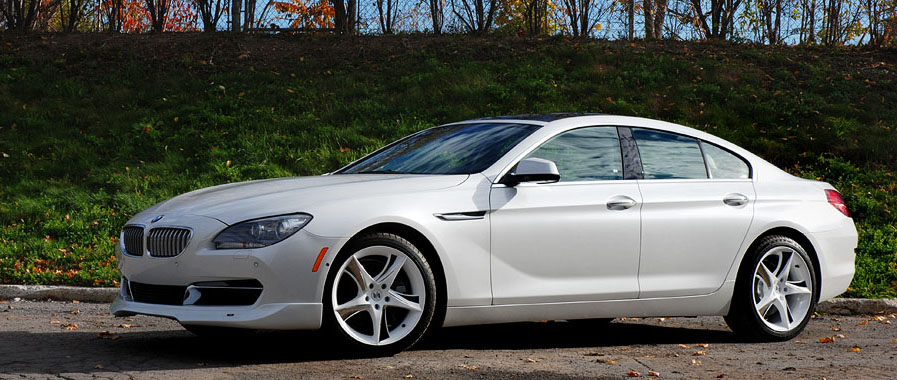
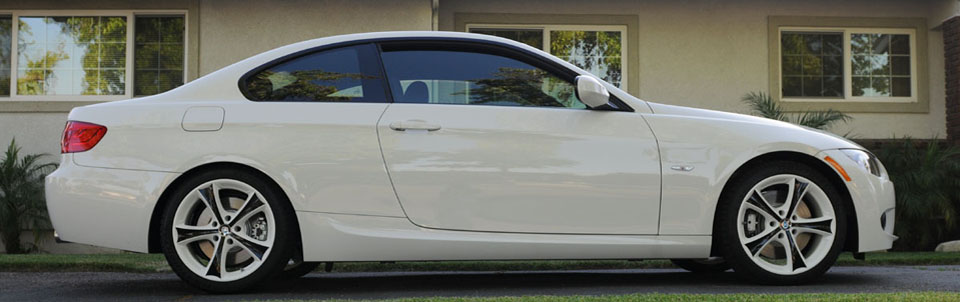
As you have landed at the LLTek “wheels for BMW” page - we can assume you’re interested in equipping your car with a new set of wheels to provide a tougher, faster, or cleaner look. This is as far as the assumption goes and as far as looks go - there are a number of issues worth being informed about before you jump all over your credit card. The issues are technical and will determine not only suitability but involve a vehicle’s safety. Mounting rims on your car based on appearance alone might be ok for display competition car shows (yes! buy the 22” wheels) but probably will have serious effects on the car’s handling not to mention placing undue loads on bushings and ball joints and your car’s suspension in general.
If your purchase here is for driving (and you do not have a personal mechanic) then the manufacturer’s original offset should be maintained. Most likely your wheels will have the offset stamped i.e. “ET42” and that will be your guide ( ET is an abbreviation from the German word “Einpresstiefe” literally translating as “insertion depth.” If your current wheels are not stamped there are methods to make the calculation - (no guessing when in doubt - have this measurement done by an expert.)
|